
New methamphetamine contamination regulations – what you need to know
New regulations for methamphetamine contamination levels in rental properties are now in force – and that’s good news for both landlords and tenants. The Residential Tenancies (Managing Methamphetamine Contamination) Regulations 2026 provide clear, consistent levels specifying when a property is considered contaminated and what actions can be taken to remediate it. There are two defined contamination thresholds based on residue testing:
Contaminated: 15µg per 100cm²
A level below 15µg per 100cm² is not legally contaminated. While it may be an indicator that methamphetamine has been used in the property, no decontamination is required. If testing shows a level about 15µg per 100cm², the property requires decontamination by a suitably qualified service provider. Contamination at this level is not considered cause to end a tenancy. Decontamination may only be required in some areas of the property where the contamination threshold has been exceeded. It may be possible for tenants to remain in the property while a decontamination is undertaken.
Uninhabitable: 30µg per 100cm²
A level above 30µg per 100cm² is considered a significant health risk. Notice to end the tenancy can be given by the tenant (2 days notice) or the landlord (7 days notice). The property requires decontamination to acceptable levels, and cannot be occupied during the decontamination process.
When to test:
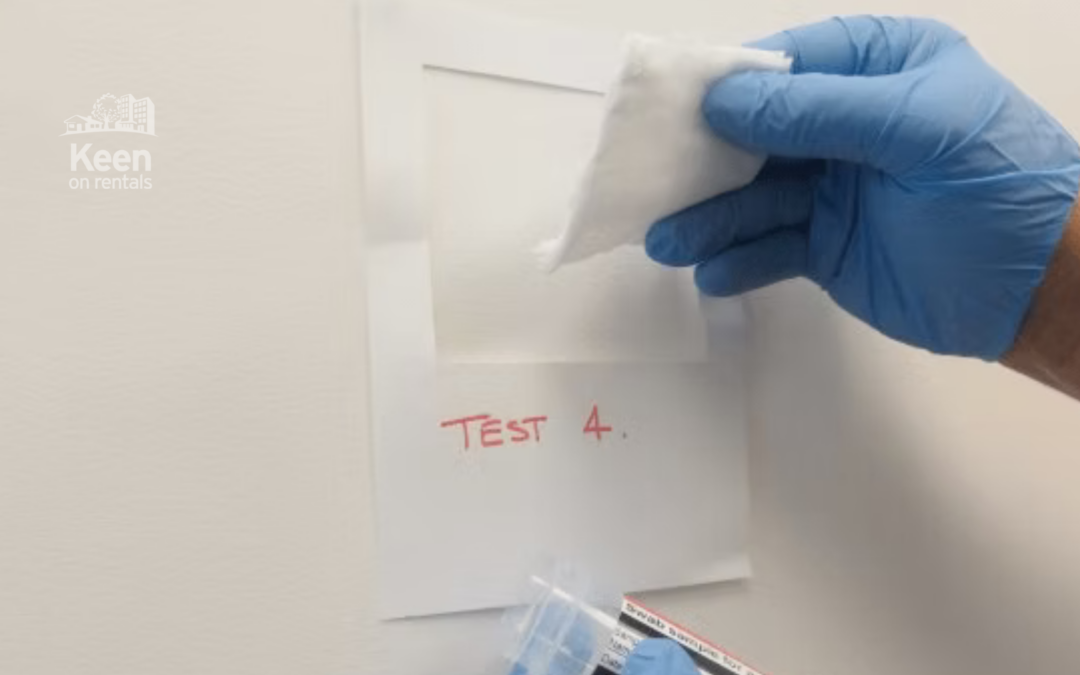
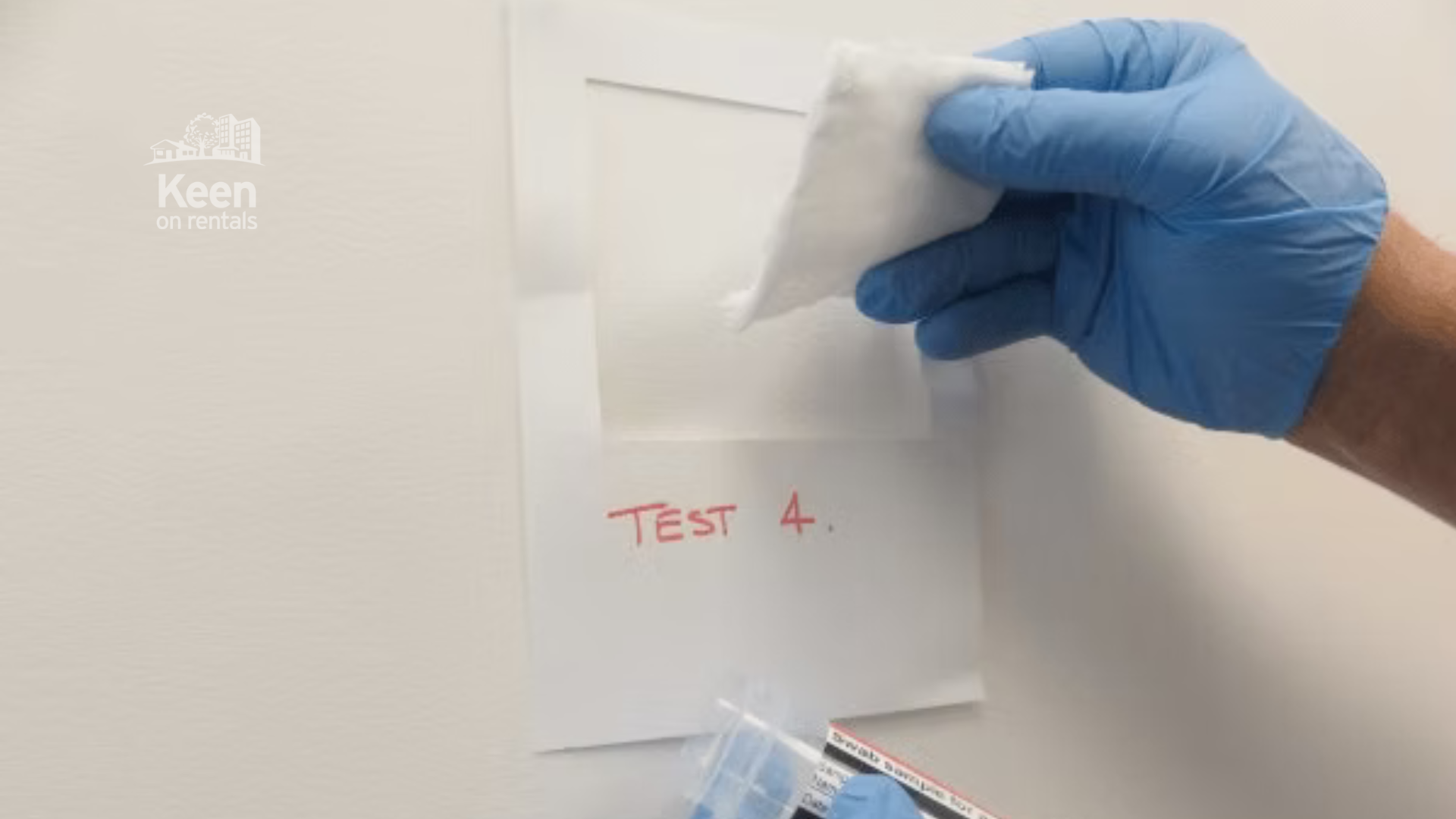
The new regulations do not include mandatory testing for meth residue between tenancies. Landlords are required to test if the Police or the Council notifies them that methamphetamine has likely been manufactured on the property. Landlords must undertake detailed testing if an initial screening test shows levels above contamination threshold of 15µg per 100cm². Tenants can request that a test is done at any time, or can arrange for a screening test to be completed themselves. Results of any testing must be disclosed to tenants within 7 days of receiving the results. Most insurance policies do not prescribe mandatory testing, but now that the new regulations are in effect it is likely that testing will become a landlord responsibility in many policies going forward.
Baseline testing between tenancies:
Testing for methamphetamine residue levels between tenancies matters more than ever. While not mandatory at this stage, a baseline screening test before a new tenancy starts ensures that the landlord is meeting their legal obligation not to rent out a property that poses a health risk to tenants. It also sets a clear starting point for meth levels at the beginning of the tenancy. An acceptable meth residue level at the start of the tenancy means that responsibility for any subsequent contamination found during the tenancy or following the end of the tenancy can be assigned to the tenants – and appropriate applications to the Tenancy Tribunal can be made.
How we can help:
We consider meth testing between tenancies to be best practice for landlords, and we strongly recommend this approach. With the rising use of meth across NZ, baseline testing provides assurance for new tenants that they are not unknowingly moving into a contaminated property. It demonstrates clearly where responsibility for subsequent contamination lies and demonstrates to insurers and monitoring agencies that best practice methods have been followed. We work with experienced and certified testing and decontamination agencies to ensure full legislative compliance is achieved at every step. We work with tenants and landlords to help guide and manage the process from start to finish.
Not sure where to start? Talk to us about our free meth screening offer!
If it all seems new and complicated, then talk to us about your properties and we’ll help develop a compliance framework that works for you and keeps you protected. And if you’re new to being a landlord, or you’re considering a change of property manager, then ask us about our free meth testing offer. We’re so sure it’s the right thing to do, we’ll pay for your first inter-tenancy screening test!